di Dr.ssa Michelle Nelson, Dr. Shaunak R. Mulani, Dr. Aaron Saguil • April 2026
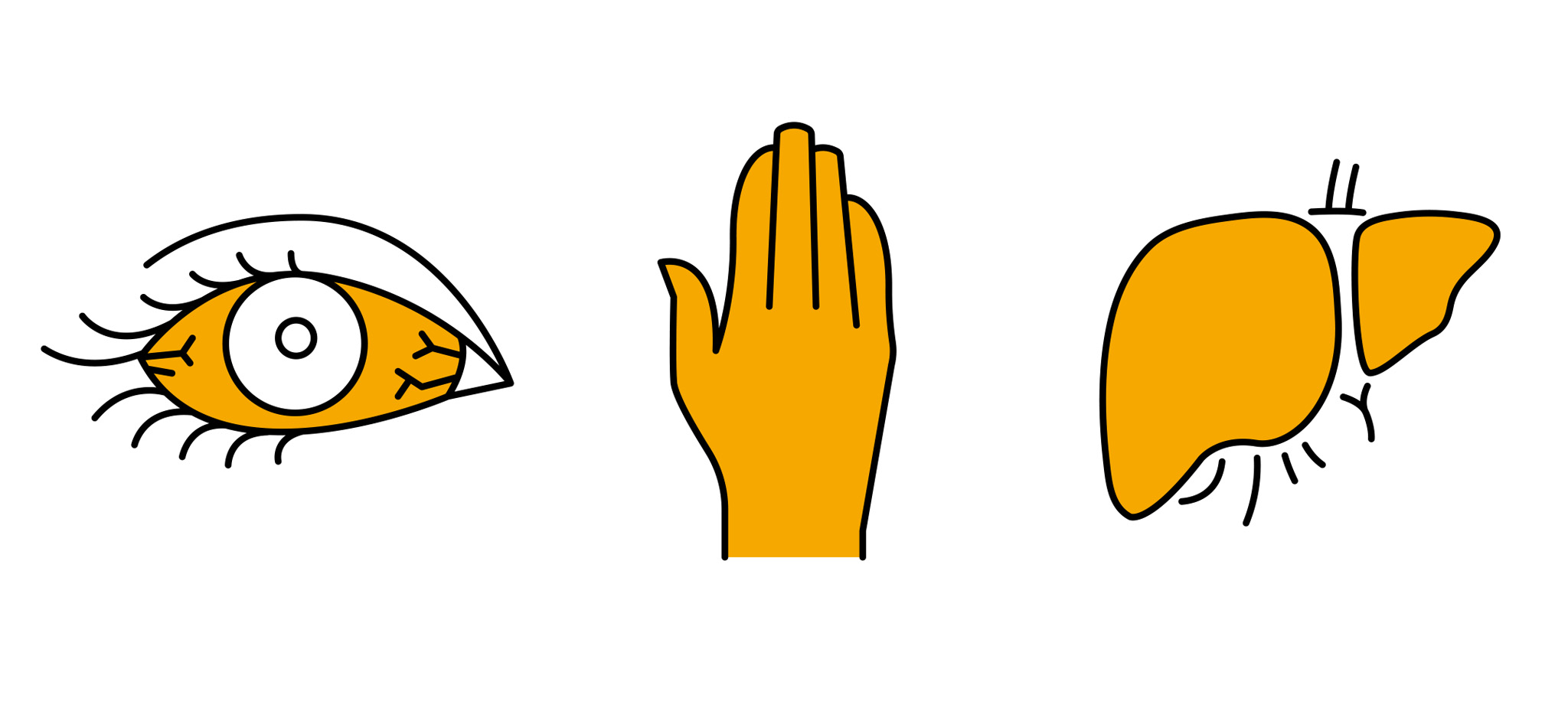
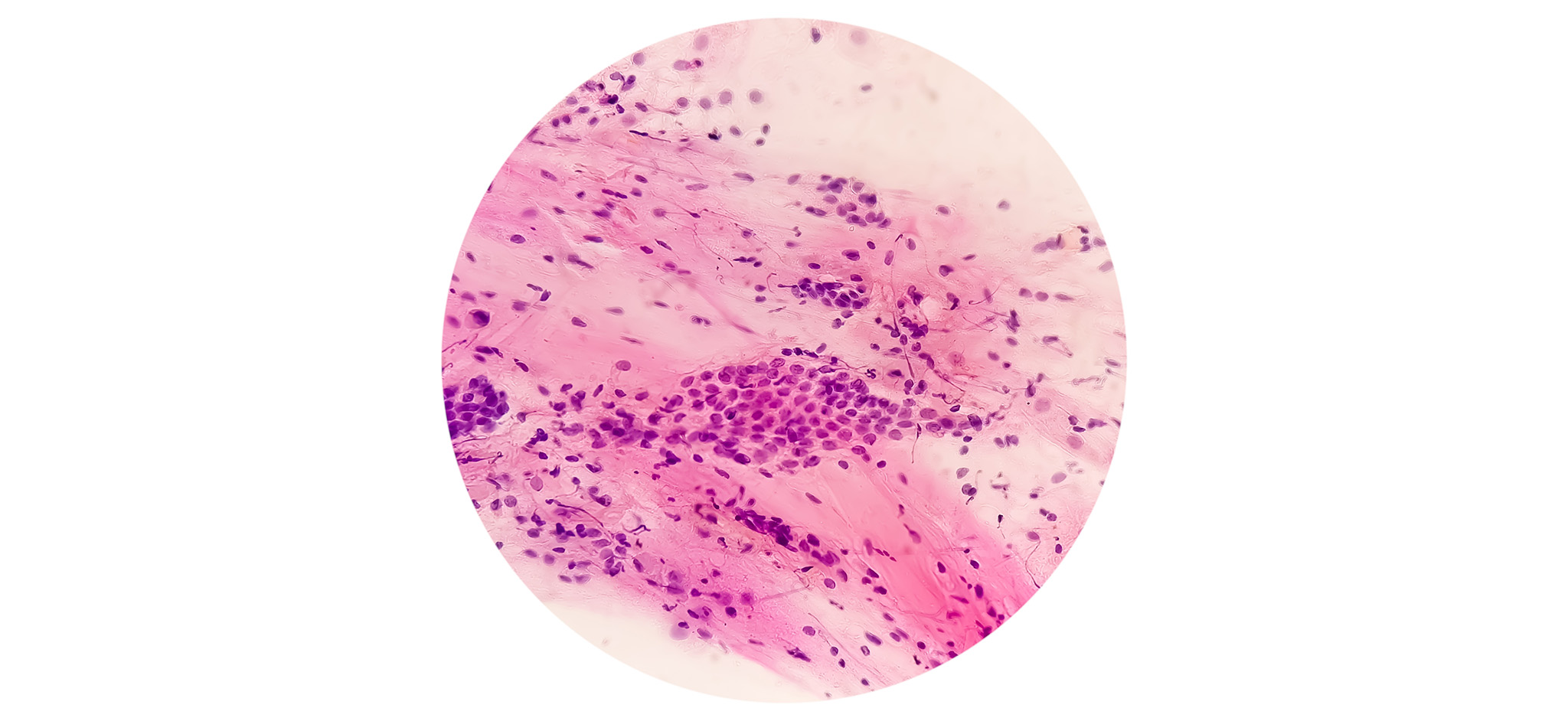
Jaundice is an indication of hyperbilirubinemia and is caused by derangements in bilirubin metabolism. It is typically apparent when serum bilirubin levels exceed 3 mg/dL and can indicate serious underlying disease of the liver or biliary tract. A comprehensive medical history, review of systems, and physical examination are essential for differentiating potential causes such as alcoholic liver disease, biliary strictures, choledocholithiasis, drug-induced liver injury, hemolysis, or hepatitis. Initial laboratory evaluation should include assays for bilirubin (total and fractionated), a complete blood cell count, aspartate transaminase, alanine transaminase, gamma-glutamyltransferase, alkaline phosphatase, albumin, prothrombin time, and international normalized ratio. Measuring fractionated bilirubin allows for determination of whether the hyperbilirubinemia is conjugated or unconjugated. Ultrasonography of the abdomen, computed tomography with intravenous contrast media, and magnetic resonance cholangiopancreatography are first-line options for patients presenting with jaundice, depending on the suspected underlying etiology. If the etiology of jaundice is unclear despite laboratory testing and imaging, liver biopsy may be required to establish the diagnosis, prognosis, and management of the disease.